Planning a traditional wedding as a bride involves numerous steps that require attention to detail and cultural significance. This article will guide you through the essential elements to make your special day unforgettable.
What Are the First Steps in Planning a Traditional Wedding?
Before diving into the specifics, it’s crucial to outline the initial steps involved in planning a traditional wedding.
Define Your Budget
The first step is to define your budget. Determine how much you can spend and prioritize elements that are most important to you. This will help streamline your planning process and avoid overspending.
Choose the Date
Selecting a date is another essential step. Consider any significant dates in your family or cultural traditions that might influence your choice. Moreover, ensure that your chosen date allows ample time for preparation.
Make a Guest List
Creating a guest list early on helps in many aspects of planning, from venue selection to catering. Consider the number of guests you want to invite and whether you prefer an intimate gathering or a grand celebration.
How to Select the Right Venue?
The venue sets the tone for your wedding, making this choice particularly significant in the planning process.
Consider Cultural Significance
For a traditional wedding, the venue should reflect cultural significance. Research places that resonate with your heritage, such as a family home or a culturally relevant site. This adds depth and meaning to your ceremony.
Capacity and Facilities
Ensure the venue can comfortably accommodate your guest list. Check available facilities, including restrooms and parking, to ensure they meet the needs of your guests. A well-equipped venue contributes to a smooth experience.
Accessibility
Accessibility is critical. Choose a location that is easy for all your guests to reach, especially elderly family members or those with disabilities. This consideration shows thoughtfulness as a bride and can enhance the overall experience.
What Are the Key Elements of a Traditional Wedding Ceremony?
The ceremony itself is the heart of your wedding, encompassing traditions and rituals that are significant to you and your family.
Incorporating Cultural Rituals
Incorporate cultural rituals that are meaningful to you and your partner. This may include specific prayers, symbolic acts, or traditional music that enhance the ceremony’s authenticity. Engaging family members in these rituals can also enrich the experience.
Choosing the Right Officiant
Select an officiant who understands and respects your cultural traditions. This may be a religious leader or someone from your community. Their guidance can help ensure that the ceremony flows smoothly and adheres to traditional customs.
Personal Vows vs. Traditional Vows
Decide whether you want to write personal vows or stick to traditional vows. Personal vows can add a unique touch to your ceremony, while traditional vows may resonate more with your cultural background. Discuss this with your partner to find a balance that reflects both of your wishes.
How Should You Choose Your Wedding Attire?
Your wedding attire is a crucial aspect of your traditional wedding, influencing both aesthetics and cultural representation.
Selecting the Bridal Gown
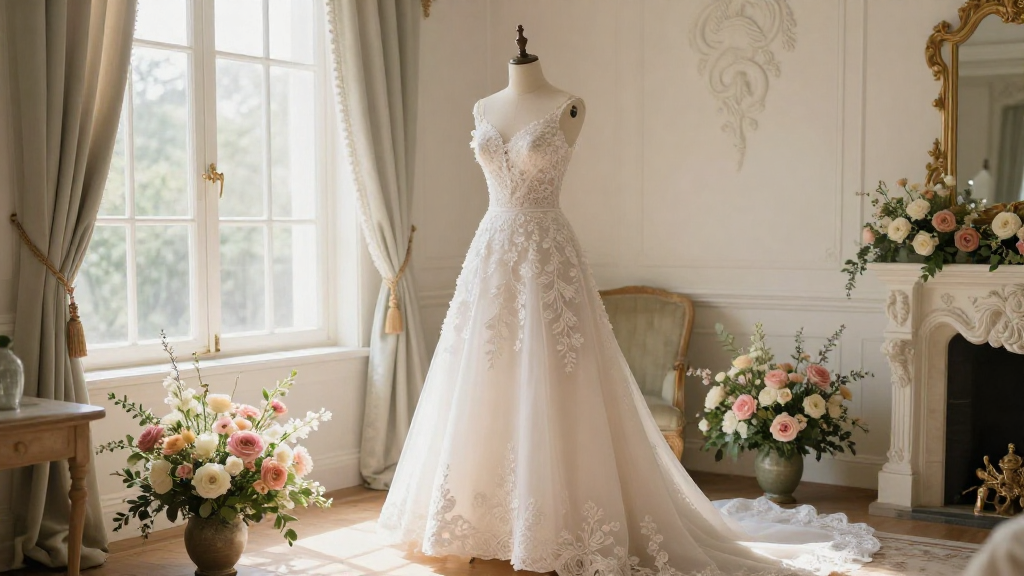
Choosing a bridal gown should align with your cultural traditions. Research styles that are representative of your heritage, and consider how you want to feel on your wedding day. Ensure the gown is comfortable and allows for movement.
Incorporating Traditional Accessories
Accessories can enhance your traditional look. Consider items like a veil, jewelry, or headpieces that are culturally significant. These details can make a striking difference in your overall appearance.
Bridal Party Attire
Coordinate your bridal party’s attire to complement your gown and uphold traditional themes. Discuss options with your bridesmaids and groomsmen, ensuring their outfits align with the overall aesthetic and cultural significance.
What Role Does Catering Play in a Traditional Wedding?
Catering is an essential part of any wedding, especially in traditional settings where food often carries cultural importance.
Selecting Traditional Dishes
Choose dishes that reflect your cultural heritage. Traditional meals can evoke nostalgia and create a sense of belonging among your guests. Be sure to cater to various dietary restrictions while maintaining cultural authenticity.
Working with a Reputable Caterer
Find a caterer experienced in traditional cuisines. Discuss your vision and ensure they understand the significance of the dishes. A reputable caterer will offer valuable insights and help you create a memorable dining experience.
Creating a Tasting Menu
Before finalizing your menu, organize a tasting session with your caterer. This allows you to sample dishes and make necessary adjustments. Tasting is not only fun but also ensures that the food served on your wedding day meets your expectations.
How to Plan the Reception for Your Traditional Wedding?
The reception is where you and your guests celebrate, making it essential to plan carefully.
Choosing the Right Entertainment
Entertainment plays a key role in keeping your guests engaged. Consider traditional music, live performers, or a DJ who can mix modern and traditional tunes. This can create a lively atmosphere where everyone feels included.
Designing a Cultural Atmosphere
Create a cultural atmosphere with decorations that reflect your heritage. Use traditional colors, motifs, and symbols throughout the venue. This enhances the overall experience and ensures that your wedding is memorable.
Planning the Timeline
Establish a clear timeline for the reception. Include key moments like speeches, first dances, and cake cutting. A well-structured timeline helps everyone know what to expect and keeps the celebration flowing smoothly.
What Are the Final Touches to Your Traditional Wedding Planning?
As your wedding day approaches, consider these final touches to ensure everything goes according to plan.
Confirming Vendor Arrangements
Reach out to all your vendors to confirm arrangements. This includes the venue, caterer, florist, and entertainment. Confirming details can prevent last-minute surprises and ensure a smooth event.
Creating a Wedding Day Emergency Kit
Prepare a wedding day emergency kit with essentials like sewing kits, stain removers, and extra makeup. This can be a lifesaver if unforeseen issues arise on your special day.
Relax and Enjoy the Moment
Lastly, remember to relax and enjoy your wedding day. Trust your planning and the people you’ve hired to execute your vision. Embrace the moment, celebrate your love, and cherish the memories you create.