Freshly milled wheat can bring better flavor and control to homemade bread, pastries, and everyday baking. The right grain mill depends on how much you grind, how fine you need the flour, and whether you prefer manual or electric operation.
We compared 10 popular options, from KitchenAid attachments and hand-crank cast-iron mills to high-speed electric grinders, to help you choose a practical fit for your kitchen and baking routine.
Best 10 Grain Mill for Wheat Picks for 2026
Stand Mixer Convenience
KitchenAid All Metal Grain Mill

- Fits household KitchenAid stand mixers
- 12 grind levels from coarse to fine
- Includes cleaning brush
Best For: KitchenAid owners milling low-moisture wheat and grains
Traditional Hand-Crank Value

- Heavy-duty cast-iron construction
- 2400 g high hopper capacity
- Does not make superfine wheat flour
Best For: Manual multi-purpose grinding and coarse-to-medium grain textures
Compact Flour-Making Flexibility
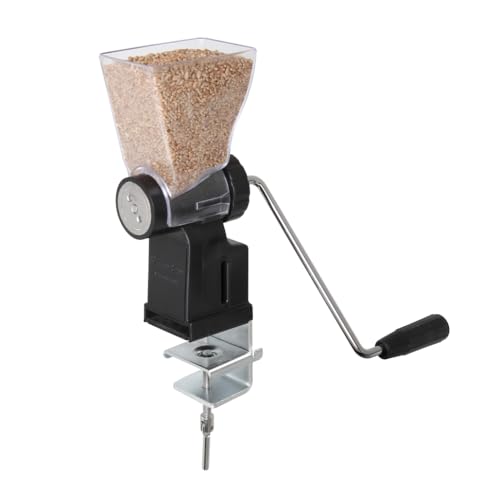
- Stainless steel burrs grind wheat
- Adjusts to bread-quality flour
- Optional electric motor compatibility
Best For: Small-batch wheat flour and compact countertop use
Heavy-Duty Traditional Milling

- Cast-iron body with tin plating
- High hopper and adjustable grind
- Includes complete mounting accessories
Best For: Durable manual milling of wheat, corn, masa, and spices
High-Capacity Electric Pick
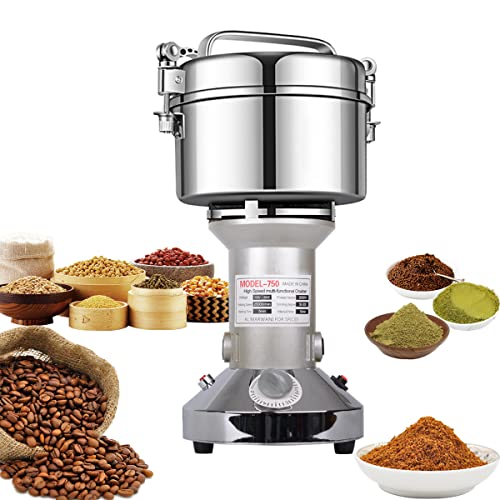
- Large 750g batch capacity
- 2000W motor with 50–300 mesh fineness
- For dry ingredients only; requires rest periods
Best For: Larger household batches of dry wheat and other grains
Stand Mixer Upgrade
KitchenAid Grain Mill Attachment

- All-metal attachment for KitchenAid mixers
- 12 settings from coarse to fine
- Fine flour may require multiple passes
Best For: KitchenAid owners milling wheat at home
Safety-Focused Compact Pick
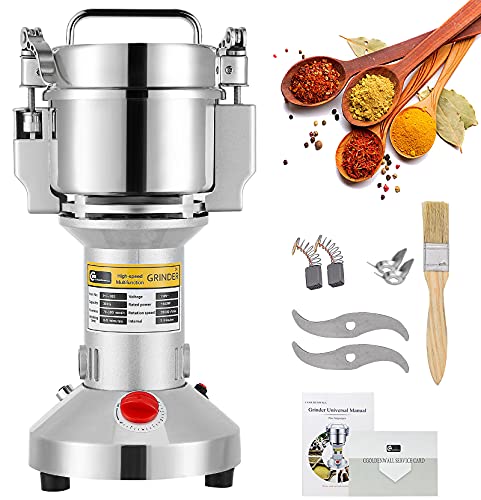
- Safety lid stops operation when opened
- 1500W motor with 70–300 mesh range
- Compact 300g capacity for small batches
Best For: Small-batch dry wheat grinding with added safety features
Heavy-Duty Wet & Dry Pick

- 3000W motor with adjustable grinding thickness
- Includes separate dry and wet grinding discs
- Cast-iron construction with stainless-steel funnel
Best For: Heavy-duty users grinding wheat and other foods, including wet ingredients
Compact Kitchen Pick
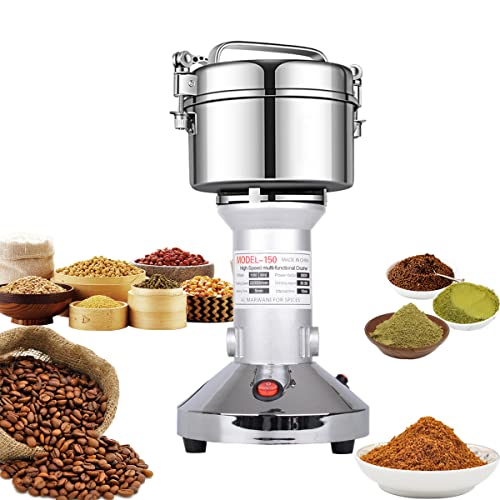
- 900W motor with 150g grinding capacity
- Handles dry wheat, grains, spices, and herbs
- Overload protection and stainless-steel construction
Best For: Small-batch dry grinding in home kitchens
Large-Batch Dry Grind Pick

- 550g capacity with a powerful 2000W motor
- Processes dry wheat, cereals, coffee, and spices
- Includes timer, safety shutoff, overload protection, and sieve
Best For: Larger batches of dry wheat and other dehydrated ingredients
Stand Mixer Convenience – KitchenAid All Metal Grain Mill
If you already own a KitchenAid stand mixer, this attachment offers a convenient way to turn low-moisture grains into coarse or fine meal. It is a practical grain mill for wheat when you want an integrated countertop setup rather than a separate appliance.
Best For: KitchenAid owners milling wheat and other low-moisture grains in small home batches.
Pros:
- Fits all household KitchenAid stand mixers.
- Offers 12 grind levels, from coarse to fine.
- Handles wheat, corn, rice, and other low-moisture grains.
- Includes a cleaning brush and a one-year warranty.
Cons:
- Requires a compatible KitchenAid stand mixer.
- Designed for low-moisture, low-oil grains rather than every ingredient.
This is a strong choice for KitchenAid households that want flexible grain texture control without buying a standalone mill.
Traditional Hand-Crank Value – Victoria Manual Grain Mill
The Victoria manual mill is a heavy-duty cast-iron option for shoppers who prefer hand-powered grinding and broad ingredient versatility. As a grain mill for wheat, it can process grains, but the manufacturer notes that it will not produce superfine whole-wheat flour.
Best For: Manual grinding of corn, grains, coffee, spices, and other ingredients when a coarse-to-fine adjustment is sufficient.
Pros:
- Durable cast-iron construction with double tin plating.
- High hopper holds up to 2400 g.
- Clamps to most tables 1/2 to 2 inches thick.
- Adjustable screw changes the grind texture.
Cons:
- Cannot grind whole wheat into a fine powder.
- Manual cranking requires more effort than an electric mill.
- Limited 90-day warranty.
Choose this mill for traditional, hands-on versatility and sturdy construction, but look elsewhere if fine whole-wheat flour is your main goal.
Compact Flour-Making Flexibility – Kitchen Crop Hand Crank Mill
Kitchen Crop Hand Crank Grain Mill Wheat Flour Grinder, Stainless Steel Metal Burrs (The Grain Mill)
Check Price On AmazonThis compact Kitchen Crop mill combines manual operation with the option to add an electric drive motor later. Its stainless steel burrs and adjustable dial make it a capable grain mill for wheat, including settings intended for bread-quality flour.
Best For: Small-batch wheat flour grinding when you want manual control, compact storage, and future motor compatibility.
Pros:
- Stainless steel burrs handle wheat and many other non-oily grains.
- Adjusts from cracked grains to fine, bread-quality flour.
- Includes a hand crank and accepts an optional electric motor.
- Lightweight design includes a clamp for counters up to 2 inches thick.
Cons:
- The electric drive motor is sold separately.
- Its two-cup hopper is better suited to smaller batches.
- Limited to dry, non-oily grains and seeds.
For shoppers who want fine wheat flour in a compact manual unit, this model offers useful flexibility and a longer five-year warranty.
Heavy-Duty Traditional Milling – Corona Manual Grain Mill
The Corona manual mill is a substantial cast-iron grinder with a high hopper and complete mounting hardware. It works as a grain mill for wheat along with corn, rice, beans, coffee, and spices, making it suited to shoppers who value traditional manual milling and broad use.
Best For: Home cooks who want a durable hand-crank mill for wheat, corn, masa, and other dry ingredients.
Pros:
- Heavy-duty cast-iron body with food-safe tin plating.
- Adjusts for coarse and fine textures.
- Large 1.9-quart high hopper supports batch grinding.
- Includes clamp, grinding plates, handle, mounting hardware, and stabilizing pad.
Cons:
- Manual operation requires ongoing hand cranking.
- Countertop clamp fits surfaces up to 1.45 inches thick.
- Cast-iron construction is relatively heavy at 4.31 kg.
This is a practical pick for buyers seeking a traditional, stable mill with a generous hopper and enough versatility for more than wheat alone.
High-Capacity Electric Pick – 750g High-Speed Grain Mill
If you need a grain mill for wheat along with other dry ingredients, this 2000-watt stainless steel grinder offers a large 750g capacity and fast operation. Its three-blade design is intended to produce powders ranging from 50 to 300 mesh, but it requires timed use and rest periods.
Best For: Families, kitchens, and users who want to process larger batches of dry wheat, grains, spices, or herbs.
Pros:
- 750g capacity suits larger grinding batches.
- 2000W motor and 25,000 RPM speed support quick processing.
- Stainless steel construction with overload shutoff.
- Handles dry grains including wheat, corn, rice, and barley.
Cons:
- Not suitable for wet, moist, or oily ingredients.
- Recommended operation is limited to three minutes followed by a 5–10 minute rest.
- The motor housing should be wiped clean rather than rinsed.
This model is a practical choice when capacity matters more than continuous operation. Follow the fill limit and cooling guidance to support consistent results and protect the motor.
Stand Mixer Upgrade – KitchenAid Grain Mill Attachment
For KitchenAid owners seeking a grain mill for wheat, this all-metal attachment uses the stand mixer’s motor rather than adding a separate countertop appliance. Its 12 settings range from coarse cracking to fine flour, allowing you to adjust the texture to suit different recipes.
Best For: Home bakers who already own a compatible KitchenAid stand mixer and want adjustable wheat flour consistency.
Pros:
- All-metal construction is designed for grinding hard grains.
- Fits KitchenAid stand mixers.
- Offers 12 grind levels from coarse to fine.
- Can process wheat, corn, oats, buckwheat, millet, and other non-oily grains.
Cons:
- Requires a KitchenAid stand mixer; the mixer is not included.
- Fine flour may require multiple passes.
- Neither the mill nor its parts should be washed in a dishwasher.
This attachment makes the most sense if you already have the required mixer and prefer control over flour texture. Plan for staged grinding and allow the mixer to cool after processing more than 10 cups of flour.
Safety-Focused Compact Pick – 300g Electric Grain Mill
This compact grinder is a grain mill for wheat and other dry ingredients, with a 300g capacity and 1500-watt motor. Its safety lid stops operation when opened, while the overload protector and timer provide additional control during short grinding sessions.
Best For: Users who want a compact electric mill for small batches of dry wheat, grains, spices, herbs, or coffee.
Pros:
- Safety lid automatically stops the grinder when opened.
- 1500W motor reaches up to 28,000 RPM.
- Processes normal grains finely in about 30 seconds, according to the supplied notes.
- Includes a sieve, cleaning brush, spare blades, and a one-year warranty.
Cons:
- 300g capacity is smaller than the high-capacity alternative.
- Only dried ingredients are recommended.
- Requires 5–10 minutes of rest after each three-minute operating period.
This is a useful option for smaller quantities and buyers who prioritize lid and overload protection. Keep the batch between the blade coverage requirement and two-thirds of the tank for more reliable grinding.
Heavy-Duty Wet & Dry Pick – Commercial Wheat Grinder
If you need a grain mill for wheat that can handle more than dry flour, this VEVOR model stands out for its 3000W motor and dual grinding setup. It includes a cast-iron disc for dry grains and a sand milling disc for wet ingredients, while the adjustable control lets you choose a coarser or finer result.
Best For: Users who want a heavy-duty mill for wheat, cereals, corn, spices, and occasional wet grinding for foods such as soy milk or rice cakes.
Pros:
- Supports both dry grinding and wet grinding with included discs.
- 3000W motor and heavy cast-iron body are suited to demanding use.
- Adjustable thickness control accommodates wheat, corn, cereal, nuts, and spices.
- Stainless-steel funnel is designed for steady feeding.
Cons:
- Its industrial-style body and roughly 27.56-inch height require substantial storage space.
- The product is more specialized and heavy-duty than many home users may need.
Choose this model if versatility and capacity matter more than a compact footprint. Its wet-and-dry capability gives it broader food-processing utility than a dry-only wheat mill.
Compact Kitchen Pick – 150g Dry Wheat Mill
This compact grain mill for wheat is designed for small batches of dry ingredients. Its 900W motor, 150g capacity, and high-speed triple-blade system can process wheat, corn, rice, beans, spices, and herbs, making it a practical option for kitchens that do not need a large commercial machine.
Best For: Home kitchens and small-batch users who need a compact dry grinder for wheat, grains, spices, herbs, and similar ingredients.
Pros:
- Compact 150g capacity suits smaller grinding jobs.
- High-speed motor and triple-blade design can produce fine powder quickly.
- Food-grade stainless-steel construction is durable and easy to wipe clean.
- Overload protection automatically shuts the unit off when necessary.
Cons:
- It is intended for dry ingredients only; wet, oily, or moist materials are unsuitable.
- Operation should be limited to about three minutes, followed by a five-to-ten-minute rest.
- The grinding container should not be rinsed directly with water.
This is a sensible choice when countertop size and small portions are priorities. Buyers needing continuous operation or wet grinding should consider a larger, more specialized machine instead.
Large-Batch Dry Grind Pick – 550g Wheat Pulverizer
For shoppers seeking a grain mill for wheat with more batch capacity, this VEVOR pulverizer holds up to 550g and uses a 2000W high-speed motor. It is made for dry ingredients, including wheat, oats, rye, corn, coffee beans, and spices, and includes a timer, safety shutoff, overload protection, and sieve.
Best For: Users who want a stainless-steel, commercial-style dry grinder for larger batches of wheat and other dehydrated ingredients.
Pros:
- 550g capacity is substantially larger than a small 150g grinder.
- 2000W motor and three-layer blade system are designed for superfine powder.
- Five-minute timer, lid interlock, and overload protection add operating convenience and safety.
- Includes a sieve for separating coarse particles before regrinding.
Cons:
- It cannot process wet, fresh, oily, or sticky ingredients.
- Grinding sessions should be limited to five minutes with a five-to-ten-minute cooling interval.
- The 240V specification may require compatibility checking before purchase.
This model offers a useful middle ground between a compact spice grinder and a larger industrial mill. Its 550g capacity and safety features make it appealing for repeated dry batches, provided the electrical requirements fit your setup.
How We Picked the Best Grain Mill for Wheat
We focused on the features that matter most when milling wheat at home: grinding method, hopper and chamber capacity, adjustment range, construction, cleanup, operating speed, and compatibility with different grains. We also separated true flour-milling designs from multipurpose pulverizers, since a machine that handles dry spices may not deliver the same control or texture as a dedicated grain mill.
Manual models can be useful during power outages or for occasional small batches, while mixer attachments make sense for households that already own a compatible stand mixer. Electric machines are generally faster, but their high advertised wattage does not automatically guarantee better flour quality. Fine adjustment, heat management, and consistent feeding are equally important.
Quick Comparison
| Type | Best For | Main Advantage | Potential Trade-Off |
|---|---|---|---|
| Mixer attachment | KitchenAid owners | Uses equipment you already have | Requires a compatible mixer |
| Manual cast iron | Small batches and off-grid use | No electricity required | Slower and more labor-intensive |
| Compact electric | Occasional grinding | Fast, space-saving operation | Limited batch capacity or coarse control |
| Heavy-duty electric | Frequent or larger-batch use | High speed and capacity | More noise, heat, and storage demand |
Key Buying Factors for a Grain Mill for Wheat
Grinding Adjustment
Look for a clearly defined adjustment system if you want both coarse meal and fine flour. Multiple settings are helpful for adapting wheat to bread, pizza, cakes, or cereal.
Capacity and Batch Size
A small hopper is adequate for a loaf or two, but frequent bakers may prefer a larger hopper and a motor designed for longer sessions. Avoid choosing solely by the largest stated capacity; usable output and feeding consistency matter too.
Burrs, Blades, and Flour Texture
Burr-style mills typically provide more control over flour fineness, while blade-based pulverizers often prioritize speed and versatility. Confirm that the machine is intended for dry grains and that wheat is within its recommended use.
Heat, Noise, and Cleanup
High-speed electric grinders can generate heat and noise. Removable parts, accessible grinding chambers, and simple brushing can make regular use much easier. Never mill wet, oily, or sticky ingredients unless the manufacturer specifically allows it.
Fit and Durability
Check stand-mixer compatibility before buying an attachment. For manual mills, inspect the clamp or mounting requirements. Cast iron and stainless steel can be durable, but heavier construction also means more storage weight.
Who Should Buy Which Grain Mill for Wheat?
Choose the KitchenAid attachment if you already own a compatible mixer and want an integrated option for occasional home baking. A manual Victoria, Kitchen Crop, or Corona-style mill is better for shoppers who value simplicity, control, and operation without electricity.
Compact electric models suit occasional users who need quick batches and multipurpose grinding. Larger VEVOR or other heavy-duty electric machines are more appropriate for frequent bakers, larger households, or users who prioritize speed over compact storage. If you are unsure, estimate how many cups of wheat you will mill per week, decide whether fine flour is essential, and choose the smallest machine that comfortably handles that workload.