Choosing the right dough mixer can help a small bakery produce consistent bread, pizza, noodles, and sourdough without overloading staff or sacrificing valuable counter space.
These 10 models span compact countertop designs, larger-capacity mixers, timed operation, fermentation functions, and stainless-steel bowls. Use the guide below to match features and capacity to your production routine.
Best 10 Dough Kneading Machines for Small Bakeries Picks for 2026
High-Capacity Pick

- Handles up to 14.88 lb of dough
- Includes timer and fermentation function
- Detachable stainless steel bowl and hook
Best For: Small bakeries with larger recurring dough batches
Heavy-Duty Control Pick
VEVOR 8.5Qt Dual-Rotation Mixer
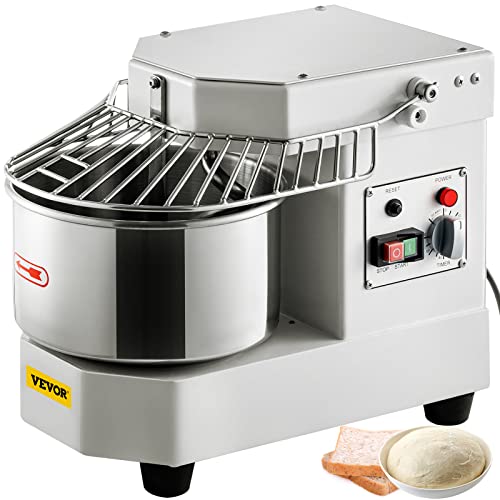
- Dual rotation supports even dough mixing
- Handles up to 6.6 lb of dough
- Includes safety shield and 60-minute timer
Best For: Pizzerias and bakeries wanting sturdy, controlled mixing
Compact Proofing Pick

- Kneads and ferments in one bowl
- Uses intermittent kneading cycles
- Stainless bowl and suction feet aid cleanup and stability
Best For: Small workstations with moderate dough needs
Most Versatile

- 9.5-quart capacity for larger batches
- Four modes for dough and filling preparation
- Winter and Summer fermentation settings
Best For: Small bakeries producing varied doughs and filled foods
Compact Batch Pick

- Handles up to 1600g of flour
- Kneading and proofing in one machine
- Ingredient chute and digital time controls
Best For: Smaller operations needing moderate batches
Compact Timed Performer

- 5-liter stainless steel bowl
- 5–40 minute timer with auto shutoff
- Includes fermentation function
Best For: Small bakeries and light commercial batches
Quiet Knob-Control Specialist

- Handles 300–1,400 grams of dough
- Constant-temperature fermentation
- Stable, low-noise knob-controlled operation
Best For: Small bakery batches needing hands-on control
High-Capacity Pick – 13.8QT Commercial Dough Mixer
For small bakeries that need substantial batch capacity, this commercial dough mixer offers a 13.8-quart stainless steel bowl and can handle up to 14.88 pounds of dough per batch. Its timer, fermentation function, quiet motor, and detachable design make it a capable countertop option for recurring bread and pizza production.
Best For: Small bakeries needing high-volume dough mixing and built-in proofing.
Pros:
- Mixes up to 14.88 pounds of dough or 9.92 pounds of flour per batch.
- Offers a 5- to 120-minute timer and automatic temperature control for fermentation.
- Uses a 500W motor rated below 60 dB, with a visible lid for monitoring.
- Removable bowl and spiral hook simplify cleaning and handling.
Cons:
- The large 19.7-inch-wide footprint may require considerable counter space.
- Its 110V commercial design may be more capacity than very small operations need.
This is the strongest capacity-focused choice in the group. It suits bakeries that want one machine for larger dough batches, timed mixing, and proofing, provided they have room for its sizable countertop footprint.
Heavy-Duty Control Pick – VEVOR 8.5Qt Dual-Rotation Mixer
Among dough kneading machines for small bakeries, this VEVOR model emphasizes dual rotation and commercial-grade construction. Its 8-liter stainless steel bowl handles up to 6.6 pounds of dough, while the timer, safety shield, and nonslip feet support controlled day-to-day operation.
Best For: Small bakeries and pizzerias that prioritize thorough mixing and commercial safety features.
Pros:
- Dual rotation uses a 21 RPM bowl and 159 RPM hook to improve dough mixing.
- Food-contact components are made from food-grade stainless steel.
- 60-minute timer, waterproof-covered switch, and reset button support straightforward operation.
- Safety shield automatically stops the machine when it is not securely closed.
Cons:
- Its listed 70 dB noise level is higher than the quieter 13.8-quart model.
- The single-speed design provides less adjustment during different mixing tasks.
- At 81.6 pounds, it is difficult to reposition frequently.
The dual-rotation system makes this a practical choice when mixing consistency matters more than compact portability. Its heavier construction and safety interlock are well suited to a dedicated bakery workstation.
Compact Proofing Pick – 7.4Qt Electric Dough Maker
This 7.4-quart dough maker is a compact option for small bakeries with lighter production needs. It combines kneading and fermentation in one stainless steel bowl, and its intermittent kneading cycles can help limit heat buildup during bread, pizza, sourdough, and roll preparation.
Best For: Small bakery workstations handling moderate batches and requiring integrated proofing.
Pros:
- Combines mixing, kneading, and proofing in one bowl.
- Intermittent kneading allows rest periods and may help reduce heat buildup.
- 304 stainless steel bowl is designed for easier dough release and cleanup.
- Suction feet help stabilize the machine during heavier kneading.
Cons:
- The 250W motor is less powerful than the larger commercial models listed here.
- The supplied notes do not specify a dough-weight capacity.
- Its 120V, family-size positioning may limit suitability for higher-volume bakery work.
This model is best viewed as a space-conscious dough and proofing assistant rather than a high-output commercial mixer. It can fit smaller operations that value simpler workflows and moderate batch preparation.
Space-Saving Smart Pick – Joydeem 7.4Qt Dough Maker
For small bakeries seeking a compact workflow, the Joydeem dough maker pairs microcomputer controls with kneading and fermentation programs. Its 7-liter stainless steel bowl, preset timing, face-up touch panel, and intermittent kneading motion are designed to reduce hands-on work for bread, pizza, buns, and dumplings.
Best For: Small bakery setups that want preset kneading and proofing in a space-saving vertical design.
Pros:
- Preset programs can complete kneading in 15 minutes or kneading and proofing in 45 minutes.
- Intermittent motion simulates manual dough-making cycles.
- Vertical design, suction cup, and weighted body help save space and reduce movement.
- Removable top cover and dishwasher-safe stainless components simplify cleaning.
Cons:
- The 250W motor and single-speed design are aimed at lighter-duty preparation.
- The listed bowl capacity is 6.24 liters, smaller than the largest mixer here.
- At a stated 70 dB, it is not the quietest option in the roundup.
The Joydeem is a convenient choice when automation and counter-space efficiency are priorities. Its limited power and single speed make it more appropriate for moderate production than demanding commercial workloads.
Most Versatile – Joydeem 9.5Qt Dough Maker
For small bakeries comparing dough kneading machines for small bakeries, the Joydeem stands out for its generous capacity and unusually broad set of functions. Its 300W motor supports intermittent kneading, continuous filling mixing, and temperature-controlled fermentation.
Best For: Small bakeries making varied batches of bread, pizza, roti, dumplings, sourdough, and filled foods.
Pros:
- 9.5-quart bowl handles 900g to 2800g of flour, with up to 2500g recommended for fermented dough.
- Offers Mix, Ferment, Mix + Ferment, and Blend modes.
- Winter and Summer fermentation settings provide year-round temperature flexibility.
- 304 stainless steel bowl and blade, plus suction cups for stability.
Cons:
- The 300W motor operates in intervals for kneading rather than continuously.
- The manufacturer’s replacement-parts coverage is specified for home use only.
The Joydeem is a strong fit when one machine needs to cover both dough preparation and filling mixing. Its large capacity and adjustable fermentation controls are useful for varied production, though buyers should confirm that the home-use warranty terms suit their bakery.
Compact Batch Pick – VEVOR 6.9Qt Dough Mixer
Among dough kneading machines for small bakeries, the VEVOR offers a relatively compact setup for kneading and proofing in one appliance. Its 250W motor runs at 150 RPM, while the digital controls and ingredient chute simplify routine dough preparation.
Best For: Smaller bakery operations or kitchens that need moderate-size batches and integrated fermentation.
Pros:
- 6.9-quart capacity and 6.5L stainless steel bowl handle up to 1600g of flour.
- Combines continuous dough mixing with constant-temperature proofing.
- Detachable ingredient chute allows additions without stopping the machine.
- Face-up digital control panel supports convenient time settings.
Cons:
- Its stated flour capacity is lower than the larger machines in this group.
- The product is positioned for household use, so production-volume buyers should assess throughput needs carefully.
The VEVOR is a practical choice when footprint and straightforward operation matter more than maximum batch size. It covers the core kneading-and-fermenting workflow, but its 1600g flour limit may be restrictive for busier small bakeries.
Quiet Fermentation Pick – 7.4Qt Automatic Dough Maker
This 7.4-quart model is one of the more feature-focused dough kneading machines for small bakeries, pairing a 250W motor with automatic fermentation. Its detachable stainless steel bowl, touch panel, and low-noise base are suited to kitchens that value easy monitoring and cleanup.
Best For: Small bakeries preparing medium-to-large batches of bread, pizza, buns, noodles, and dumpling dough.
Pros:
- Accommodates 300g to 2100g of flour in a single batch.
- Automatically begins fermentation after kneading at 77–100°F.
- Dishwasher-safe detachable stainless steel bowl simplifies cleanup.
- Silicone noise-reduction pad, clear lid, and top feeding window improve usability.
Cons:
- The 250W motor is less powerful on paper than the Joydeem’s 300W motor.
- Automatic fermentation may offer less manual seasonal control than models with separate winter and summer settings.
The 7.4Qt model balances useful capacity with hands-off proofing and quieter operation. It is particularly appealing for bakeries that want a clear view of the dough and a simpler cleanup routine, while buyers seeking highly customizable fermentation settings may prefer another design.
Compact Timed Performer – 5L Electric Dough Maker
For small bakeries seeking dough kneading machines for small bakeries, this 5-liter model combines timed kneading with a built-in fermentation function. Its 200W motor and stainless steel bowl suit modest production runs, while the touch timer helps reduce hands-on work.
Best For: Small bakeries, breakfast shops, and canteens that need an affordable, compact machine for bread, dumpling, or similar doughs.
Pros:
- 304 stainless steel construction with a stainless steel container.
- Adjustable 5–40 minute microcomputer timer with automatic shutoff.
- 5-liter capacity and dough fermentation function.
- Includes a dumpling wrapper, measuring tools, and egg white separator.
Cons:
- One listed speed limits adjustment flexibility.
- Its 75 dB noise rating may be noticeable in a small workspace.
- At 200W, it is better suited to modest batches than heavy production.
This is a practical choice when timed operation and fermentation matter more than commercial-scale throughput. Confirm that the 5-liter capacity matches your bakery’s typical batch size.
Large-Batch Window Mixer – 7.4QT Fermenting Dough Maker
This 7.4-quart dough maker is a strong contender among dough kneading machines for small bakeries that prepare multiple portions at once. Its large stainless steel bowl, constant-temperature fermentation, and top ingredient window support efficient bread, pizza, and pastry preparation.
Best For: Small bakeries and busy home-commercial kitchens making larger batches or several portions of dough in one cycle.
Pros:
- 7.4-quart capacity accommodates larger batches than the 5-liter model.
- Constant-temperature fermentation supports more consistent proofing.
- Top window allows water, seasoning, or other ingredients to be added during operation.
- Features a digital display, time setting, and automatic shutoff.
Cons:
- Only one speed is listed, offering limited mixing control.
- The larger footprint may require more counter space.
- The supplied notes do not specify a dough-weight capacity.
Choose this model if batch size and ingredient access are your priorities. Its scientific intermittent operation is designed to help limit overheating during kneading, but production needs should still be matched to the manufacturer’s capacity guidance.
Quiet Knob-Control Specialist – 6.5QT Dough Mixer
For buyers comparing dough kneading machines for small bakeries, this 6.5-quart mixer emphasizes controlled handling and convenient cleanup. It supports approximately 300–1,400 grams of dough, with a hand-kneading-style cycle, constant-temperature fermentation, and a mechanical knob that is easy to adjust with flour-covered hands.
Best For: Small bakeries producing pizza, pasta, bread, dumplings, and pastries in batches within the stated 300–1,400 gram range.
Pros:
- 304 stainless steel bowl and removable kneading blade are durable and easy to clean.
- Constant-temperature fermentation operates from 77–95°F.
- Removable lid allows ingredients to be added while running.
- Suction-cup base, safety buckles, and low-noise design promote stable operation.
Cons:
- The bowl is not recommended for dishwasher cleaning, although the blade is dishwasher-safe.
- Its recommended dough range may not suit very small or very large batches.
- The supplied notes do not list wattage or operating speed.
This model stands out for bakeries that value stability, manual-feel controls, and fermentation consistency. The included repair coverage and lifetime technical support may also appeal to operators planning regular use.
How We Picked the Best Dough Kneading Machines for Small Bakeries
We focused on the features that matter most in a small commercial baking environment: usable bowl capacity, dough-focused mixing performance, fermentation support, timer controls, construction, footprint, and operating practicality. The selected models include several capacities and configurations so bakeries can compare compact equipment with machines better suited to larger daily batches.
Because listed wattage and advertised capacity do not always reflect real dough output, treat manufacturer specifications as a starting point. Always verify the recommended flour or finished-dough load before purchasing, especially when working with stiff doughs.
Quick Comparison
| What to Compare | Why It Matters |
|---|---|
| Capacity | Determines how much dough you can process per batch without overfilling the bowl. |
| Fermentation function | Can simplify proofing by combining timed temperature management with mixing. |
| Timer and controls | Helps standardize recipes and frees staff for other tasks. |
| Bowl and body materials | Stainless steel is generally easier to clean and better suited to frequent use. |
| Footprint and noise | Important when counter space and customer-facing noise are limited. |
Key Buying Factors for Dough Kneading Machines for Small Bakeries
Capacity and Batch Size
Choose a bowl size based on your normal—not occasional—batch. A 5- to 7.4-quart machine may suit a bakery producing several modest batches, while 8.5- to 13.8-quart options can reduce the number of cycles for higher-volume production. Leave room for dough expansion and avoid treating the advertised bowl capacity as the maximum safe dough load.
Mixing Performance and Motor Power
Dense dough places more strain on a mixer than batters or fillings. Look for a dough-specific design, stable housing, suitable speed control, and clear manufacturer guidance for bread or pizza dough. Higher wattage can help, but it is not a complete measure of kneading ability.
Fermentation, Timing, and Controls
Built-in fermentation and microcomputer timing can make repeatable production easier, particularly for sourdough and enriched doughs. Confirm whether the fermentation temperature and duration fit your recipes, and favor controls that staff can operate quickly during busy service.
Cleaning and Durability
Removable lids, accessible bowls, and stainless-steel components can reduce cleanup time. Check whether attachments are removable, whether replacement parts are available, and whether the machine has adequate ventilation and overload protection.
Who Should Buy Which Dough Kneading Machines for Small Bakeries?
Choose a compact 5- to 6.5-quart model if counter space is tight or your bakery makes smaller batches throughout the day. Choose a 7.4-quart mixer for a balanced option suited to many small bakeries producing bread, pizza, and noodles. Choose an 8.5- to 13.8-quart machine if reducing batch frequency is more important than minimizing footprint. If proofing consistency is a priority, select a model with a fermentation function and programmable timing.
Before ordering, compare the machine’s actual dough capacity, electrical requirements, warranty, return policy, dimensions, and cleaning instructions. The best choice is the one that matches your recipes and daily volume without forcing the motor or crowding your workspace.